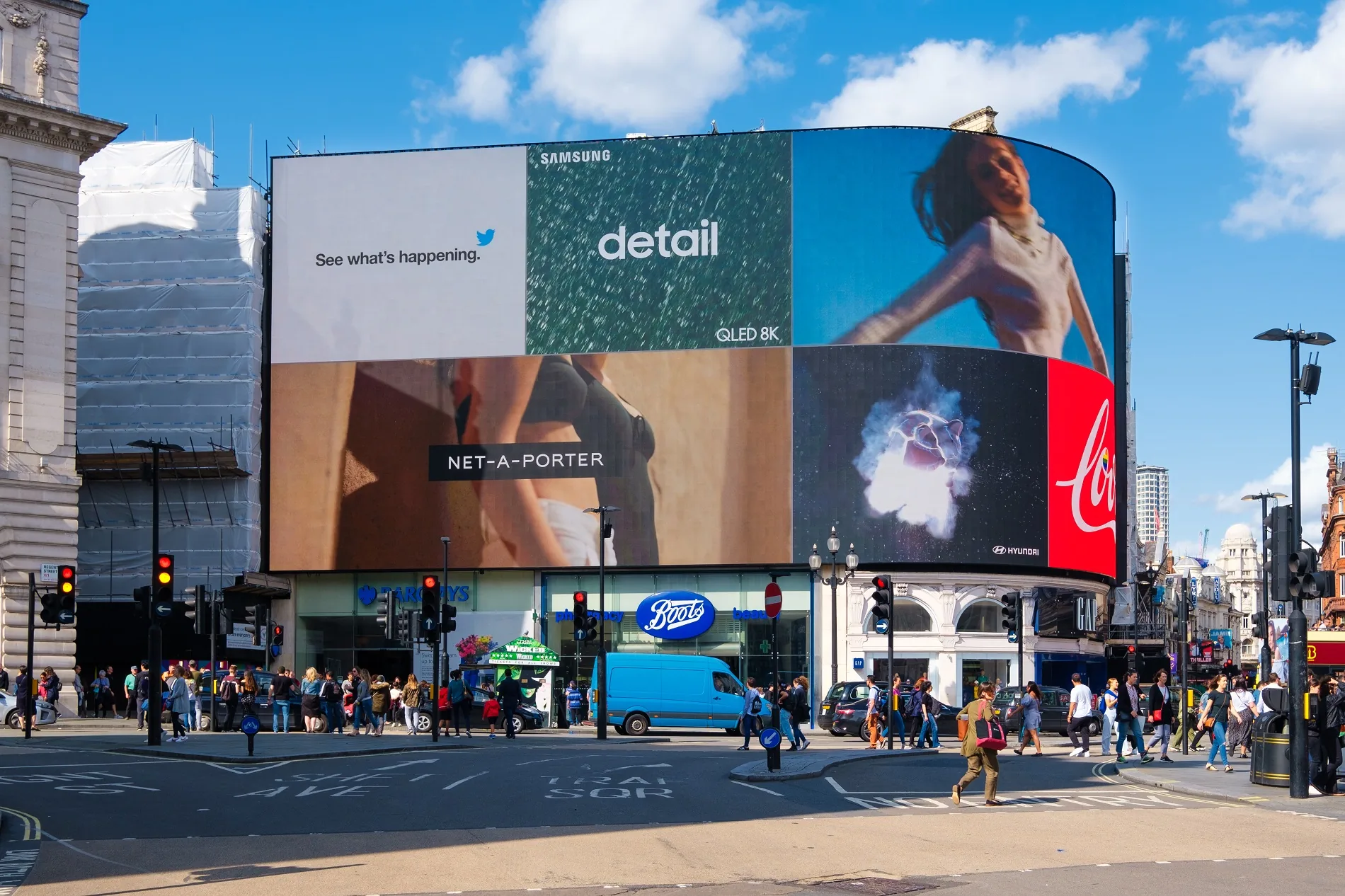
Your next buyer asks an AI first. Will it name you?
Answer engines are replacing the search results page. What generative-engine optimisation means for B2B brands in the region.

When a procurement manager in Prishtina or Vienna needs a supplier, the first question increasingly goes to ChatGPT, Gemini, Copilot or Perplexity — not to a search results page. The answer is a short list of names. If your company is not on it, you were never considered.
What answer engines look for
Generative search systems retrieve pages from the open web, then summarise them. They favour sources that state facts plainly: who the company is, what it provides, to whom and where. Vague positioning lines ("we deliver excellence") give a model nothing to cite.
- One clear sentence per service page: [Company] provides [service] to [customers] in [markets].
- Consistent names, addresses and descriptions across your site, LinkedIn and directories.
- Structured data (Organization, Service, FAQPage) that matches what is visible on the page.
- Questions answered in the words buyers actually use.
Where to start
Write down ten questions a buyer would ask an AI about your category and market. Ask them yourself, monthly, and note who gets named and which pages are cited. Then fix the gaps on your own site first — it is the source you control.
What not to do
Hidden text, invented "AI meta tags" and pages written only for bots do not work and can damage trust. Generative visibility is built on the same foundation as search: crawlable, accurate, well-structured first-party content.